
Discharge to Tasks
About 14% of adult hospital stays lead to a readmission within 30 days.2 Every instruction becomes an assigned task with an owner and a due date, tracked to completion across the care group.
For hospitals, clinics and home care
Discharge instructions become delegated, trackable tasks across the patient's care group, so follow-up appointments, medication changes and wound-care steps don't get lost in a folder on the kitchen table.
Schedule a Partnership DiscussionPatented · HIPAA-compliant · Independently evaluated by HITLAB
Sources: CMS Hospital Readmissions Reduction Program, FY 2027 (via Healthcare Dive); AHRQ, HCUP Statistical Brief #307 (2020 data); AARP & National Alliance for Caregiving, Caregiving in the U.S. 2025
Benefits
Family, local caregivers and coordinators share one real-time record, and none of them needs a clinical background.
About 14% of adult hospital stays lead to a readmission within 30 days.2 Every instruction becomes an assigned task with an owner and a due date, tracked to completion across the care group.
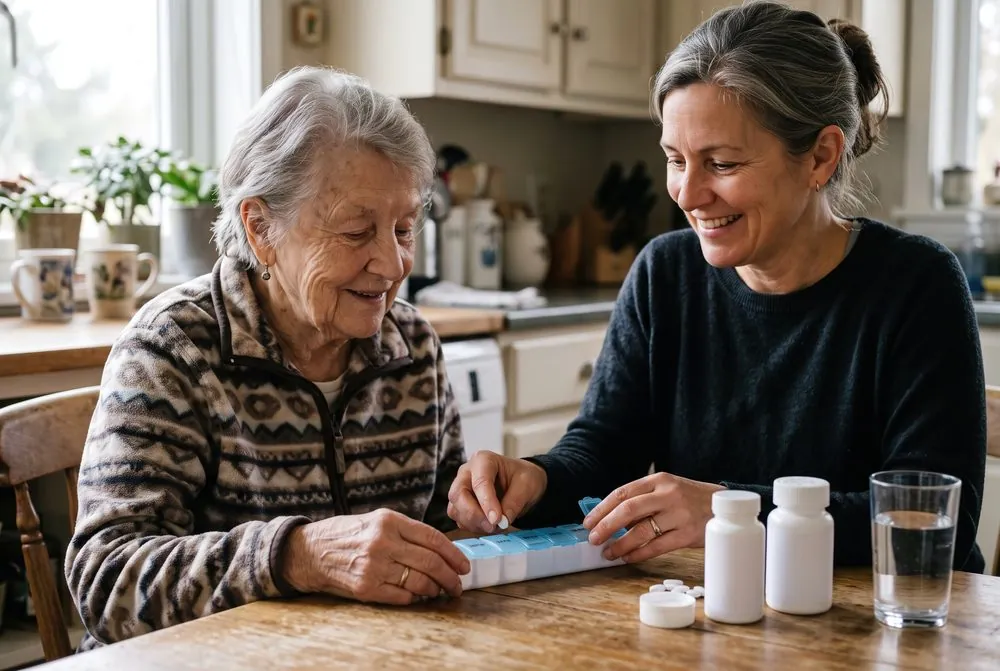
More than reminders: the platform correlates doses with vitals and daily patterns, so families and providers can see whether a treatment is actually working.
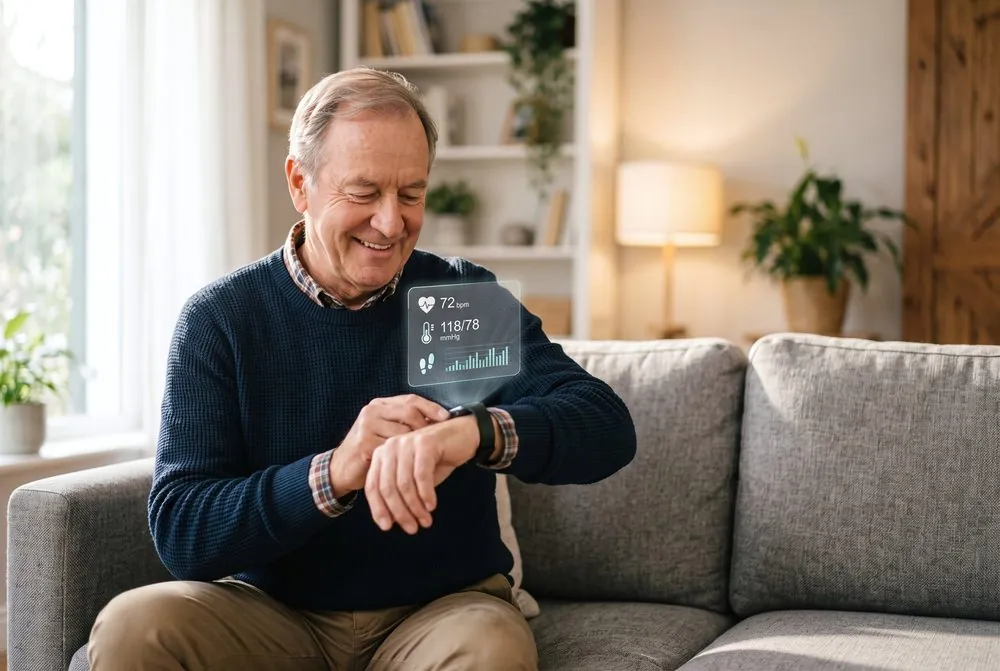
Only 22% of family caregivers are trained for the medical tasks they do.3 The primary caregiver or care coordinator tunes alert thresholds for each patient's condition remotely, without hands-on access to the patient's device.
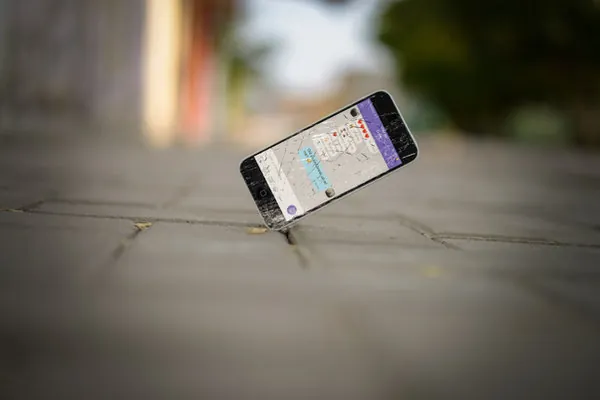
When a fall is detected, a vital crosses its threshold, or a critical task is missed, our patented FERS alerts the whole care circle and pulls them into a coordinated response in seconds.
Vitals, task completion, medication adherence and emerging trends, rolled into a plain-language weekly report the whole care team can act on.
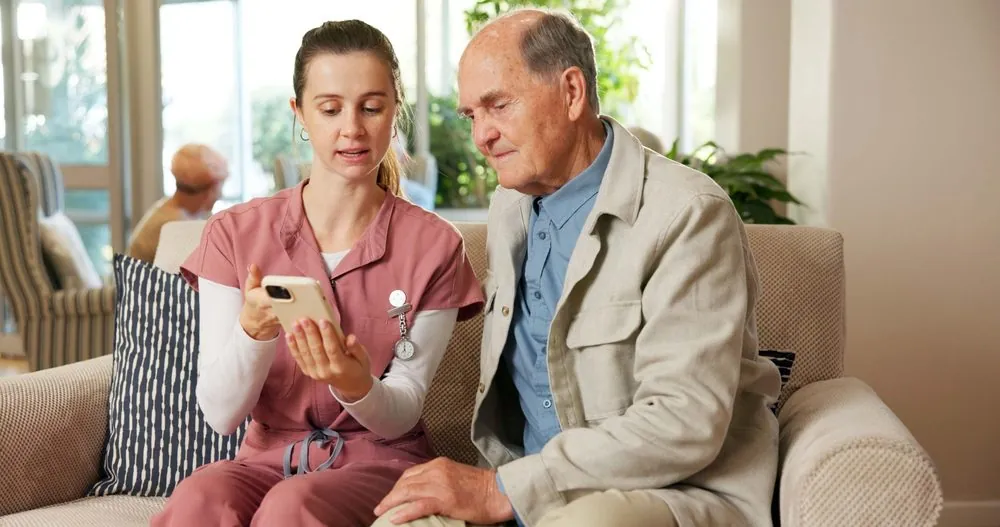
When a task is set for a specific place and time, the app checks that the person completing it is actually there, so coordinators can trust that recorded care happened.
The maximum cut to a hospital's Medicare payments under the Hospital Readmissions Reduction Program.1 Better follow-through at home after discharge helps protect it.
Getting started
We set up your program and give your discharge and care management teams ready-to-share materials.
Patients and families download the app, build their care circle, and invite the nurses, doctors or coordinators they choose.
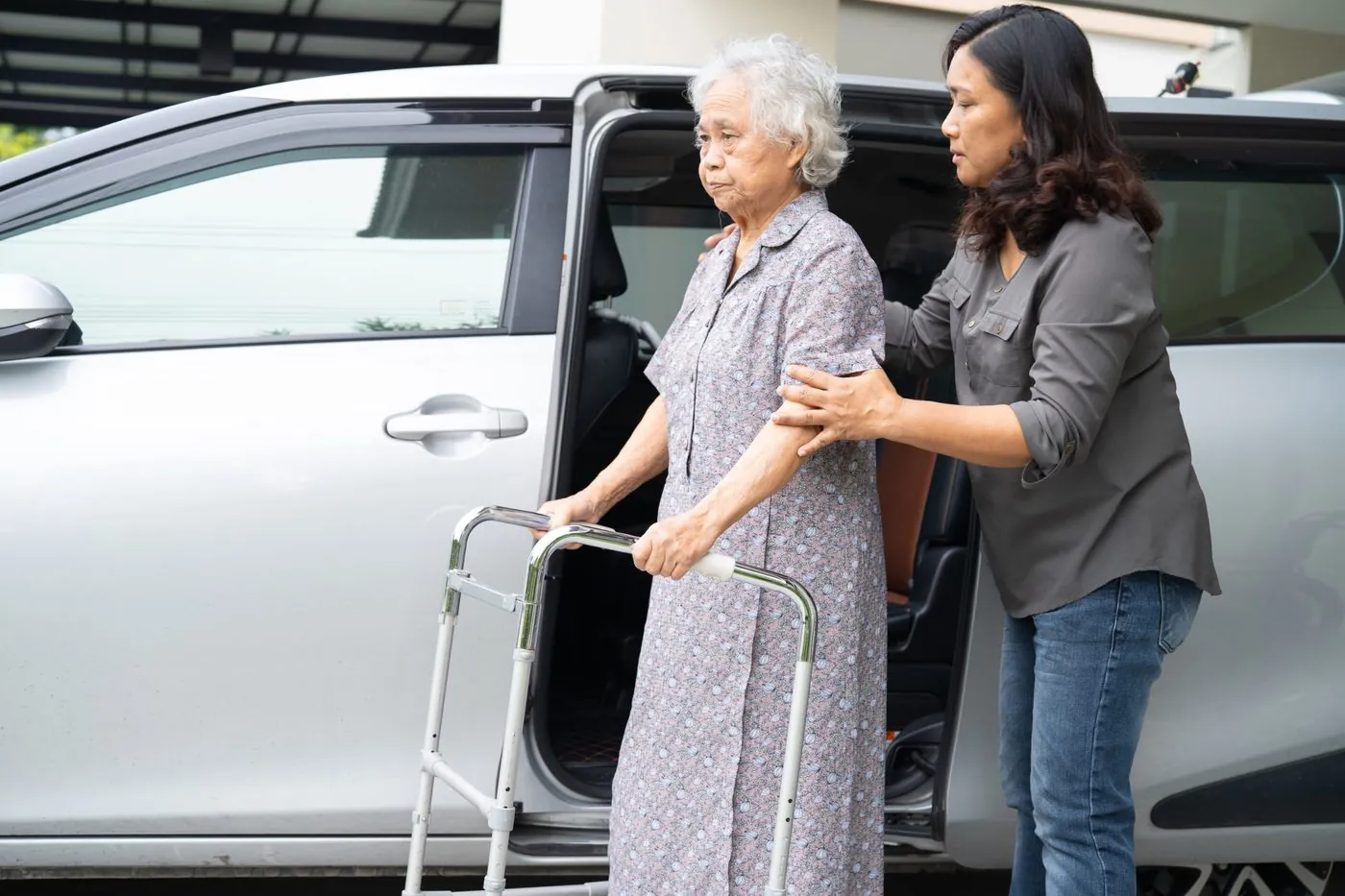
Follow-up visits, medication changes and wound care become assigned tasks the circle can track at home.
Families stay in control: the primary caregiver invites your clinicians and sets exactly what each one can see.
The platform
Family, local caregivers and care coordinators work from the same real-time record. No clinical background needed.
Trusted
Watch Our Own was evaluated by HITLAB, a leading healthcare innovation research organization, and recognized for its real-world caregiving design, safety infrastructure, and potential to improve coordination in community-based settings.
Let's talk about bringing Watch Our Own to your patients and their families.
Schedule a Partnership Discussion